In the realm of early childhood education, the Montessori method stands out as a beacon of holistic and child-centred learning. Originating from the innovative mind of Dr. Maria Montessori, this approach has gained global recognition for its unique philosophy and methodology. A Montessori nursery, specifically designed for the youngest learners, can play a pivotal role in fostering a child’s growth and development. In this blog, inspired by the teachings of this Montessori nursery Richmond, we will explore how a Montessori nursery can be a transformative environment for your child.
Child-Centred Learning:
At the heart of the Montessori philosophy lies the belief that children are natural learners. Montessori nurseries are carefully crafted to provide an environment that respects and nurtures each child’s unique pace of development. Unlike traditional educational settings, where the curriculum is predetermined, Montessori nurseries allow children to follow their interests and curiosity, fostering a genuine love for learning.
Independence and Self-Discovery:
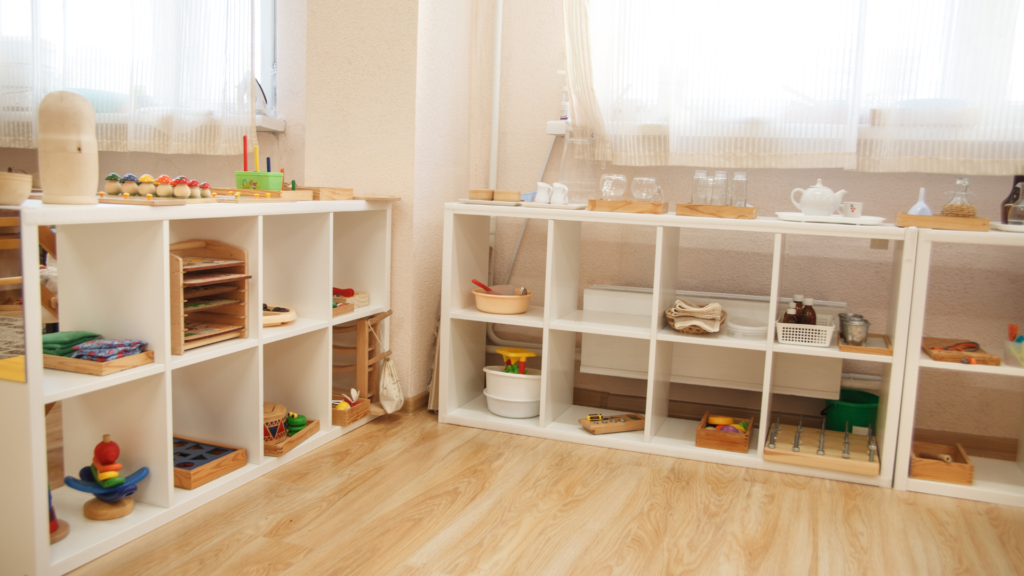
One of the key principles of Montessori education is to encourage independence and self-discovery. In a Montessori nursery, children are given the freedom to choose activities that align with their interests. This not only instils a sense of autonomy but also helps develop essential life skills such as decision-making, problem-solving, and self-regulation. The carefully prepared environment in Montessori nurseries includes child-sized furniture and tools, empowering little ones to navigate their surroundings independently.
Multi-Sensory Learning:
Montessori education recognises that children learn best when they engage their senses. In a Montessori nursery, learning materials are designed to appeal to multiple senses, providing a hands-on and interactive experience. From textured objects to vibrant colours and various shapes, these materials stimulate sensory exploration, laying a strong foundation for cognitive development.
Social and Emotional Development:
Beyond academic achievement, Montessori nurseries prioritise the social and emotional well-being of each child. The mixed-age classrooms encourage collaboration and peer-to-peer learning, fostering a sense of community and cooperation. Children learn to communicate, negotiate, and empathise with others, laying the groundwork for healthy relationships in the future.
Individualised Pace of Learning:
Traditional education often relies on a one-size-fits-all approach, expecting all children to progress at the same rate. Montessori nurseries, on the other hand, honour each child’s unique developmental timeline. Children are allowed to explore and master concepts at their own pace, reducing the pressure to conform to arbitrary benchmarks. This individualised approach ensures that no child is left behind or held back, promoting a positive and stress-free learning environment.
A Montessori nursery can be a transformative force in your child’s early years, providing a foundation for lifelong learning and personal growth. The child-centred approach, emphasis on independence, multi-sensory learning, and focus on social-emotional development make Montessori education a powerful ally in nurturing well-rounded individuals. By embracing the principles of Montessori education, parents can unlock their child’s full potential and set them on a path to becoming confident, capable, and curious learners.