In the fast-paced world we live in, instilling healthy eating habits in our children is more important than ever. The choices they make early on regarding nutrition can significantly impact their overall well-being in the long run. As parents, it’s our responsibility to guide them toward a balanced and nutritious diet. In this blog post, drawing inspiration from the practices of this private school in London, we’ll explore practical ways to teach your child about healthy eating and lay the foundation for a lifetime of good habits.
Lead by Example:
Children are keen observers, and they often mimic the behaviours they witness. Therefore, the first step in teaching your child about healthy eating is to lead by example. Model good eating habits by incorporating a variety of fruits, vegetables, whole grains, and lean proteins into your own diet. Make mealtime a positive and enjoyable experience, demonstrating that healthy food can be delicious and satisfying.
Educate Through Exploration:
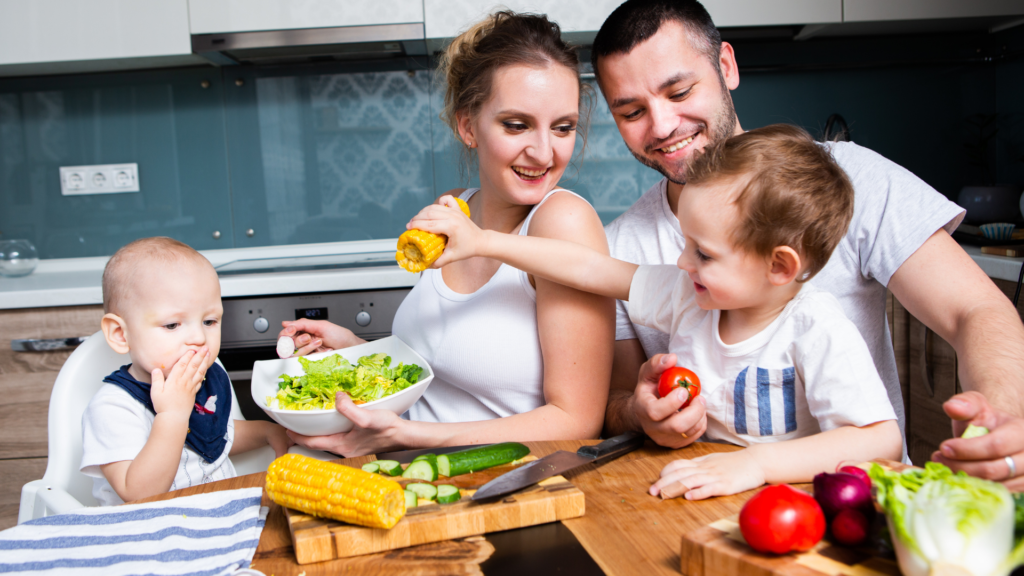
Involve your child in the process of selecting and preparing meals. Take them grocery shopping and explain the nutritional value of different foods. Encourage them to explore the vibrant colours, textures, and smells of fruits and vegetables. When preparing meals, turn it into a fun and educational experience by explaining how various nutrients benefit the body. This hands-on approach not only educates them about healthy eating but also creates a sense of ownership and excitement about the food they consume.
Create a Rainbow Plate:
Teach your child about the importance of a balanced diet by introducing the concept of a “rainbow plate.” Encourage them to include a variety of colourful fruits and vegetables in their meals, as different colours often indicate different nutrients. Explain that a diverse range of nutrients helps the body function properly and stay healthy. This visual representation makes it easier for children to understand and remember the importance of incorporating a variety of foods into their daily diet.
Limit Processed Foods and Sugary Drinks:
Educate your child about the negative effects of excessive processed foods and sugary drinks. Explain how these items can contribute to health issues such as obesity, diabetes, and dental problems. Instead, emphasise the benefits of whole, unprocessed foods. Gradually reduce the presence of sugary snacks and beverages in your household, replacing them with healthier alternatives like fruits, nuts, and water.
Encourage Mindful Eating:
Teach your child the importance of mindful eating by promoting awareness of hunger and fullness cues. Encourage them to eat slowly, savouring each bite and paying attention to how their body feels. This practice can help prevent overeating and foster a healthier relationship with food. Additionally, limit distractions during meals, such as screens or toys, to promote focus on the eating experience.
Celebrate Special Occasions with Moderation:
While it’s important to emphasise healthy eating, it’s equally crucial to teach your child about moderation, especially during special occasions and celebrations. Allow them to enjoy treats occasionally but explain the importance of balancing indulgences with nutritious meals. This approach helps cultivate a realistic and sustainable attitude towards food, preventing the development of unhealthy relationships with certain food items.
Teaching your child about healthy eating is a gradual process that requires patience, consistency, and positive reinforcement. By leading by example, exploring the world of nutrition together, creating a colourful and balanced plate, limiting processed foods, encouraging mindful eating, and allowing for moderate treats, you can empower your child to make informed and health-conscious food choices. In doing so, you’re not just nourishing their bodies; you’re also providing them with the tools they need for a lifetime of well-being and happiness.